
HIIT training is one of the most talked-about workout methods of the past decade, and also one of the most misunderstood. Short for High-Intensity Interval Training, HIIT is a method of exercise that alternates between short bursts of intense effort and periods of rest or lower-intensity activity. The appeal is real: research shows it can deliver meaningful cardiovascular and metabolic benefits in less time than traditional steady-state cardio. But HIIT training is not a universal solution, and understanding when it works, and when it doesn’t, is what separates effective training from unnecessary risk.
How HIIT Training Actually Works
The defining feature of HIIT training is the alternation between high-effort intervals and recovery periods. During the high-intensity phase, the goal is to work at or near maximum effort, typically 80 to 95 percent of maximum heart rate. The recovery phase allows the body to partially recover before the next interval begins.
A typical HIIT session might involve 20 to 40 seconds of all-out effort followed by 10 to 40 seconds of rest, repeated for 4 to 10 rounds. The entire workout, including warm-up and cool-down, often takes 20 to 30 minutes. This time efficiency is one of the primary reasons HIIT training gained popularity. It produces a significant physiological stimulus in a fraction of the time required by traditional cardio.
The underlying mechanism is the EPOC effect (Excess Post-exercise Oxygen Consumption). After a HIIT session, the body continues burning calories at an elevated rate as it returns to its resting state, repairs muscle tissue, and restores oxygen levels. This “afterburn” effect is more pronounced after HIIT than after steady-state cardio, which contributes to its reputation for fat loss.
What the Research Says About HIIT Training Benefits
The scientific evidence on HIIT training is substantial. A 2025 systematic review published in PMC found that HIIT significantly improved vascular function, reduced blood pressure, and enhanced cardiovascular markers across multiple populations. A separate 2025 study published in Nature Scientific Reports found that HIIT can achieve similar or greater fat loss compared to traditional cardio in less time.
For cardiovascular health, the evidence is particularly strong. Penn Medicine notes that numerous studies have shown HIIT can produce cardiovascular improvements comparable to traditional steady-state cardio in significantly less training time. The American Heart Association recognizes HIIT as an effective training method for improving cardiorespiratory fitness in healthy adults.
HIIT training also shows benefits beyond fat loss and cardiovascular health. Research indicates improvements in insulin sensitivity, blood glucose regulation, and metabolic function, benefits that are relevant not just for athletes but for anyone managing metabolic health. A 2025 review also highlighted HIIT’s positive effects on mental well-being, including reductions in anxiety and depression symptoms.
HIIT Training vs. Steady-State Cardio: What the Evidence Shows
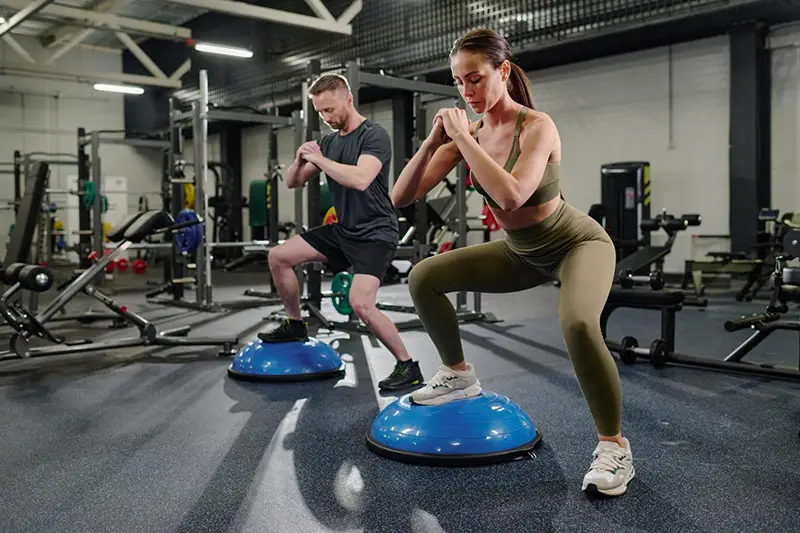
The HIIT vs. cardio debate is one of the most persistent in fitness, and the honest answer is that neither is universally superior. They work through different physiological pathways and are better suited to different goals and populations.
| Factor | HIIT Training | Steady-State Cardio |
|---|---|---|
| Time per session | 20–30 minutes | 30–60+ minutes |
| Calorie burn during session | Moderate | Moderate to high |
| Post-exercise calorie burn (EPOC) | High | Low |
| Cardiovascular adaptation | Strong | Strong |
| Muscle preservation | Better | Lower (long sessions) |
| Recovery demand | High | Low to moderate |
| Suitable for beginners | With modifications | Yes |
| Injury risk | Higher | Lower |
A 2025 study published in MDPI Journal of Clinical Medicine found that HIIT was most effective for younger individuals aged 18 to 30 for fat oxidation and muscle retention, while middle-aged and older adults showed better results with a combination of HIIT and moderate-intensity training. This nuance matters: HIIT is not automatically the best choice for every person at every stage of life.
The Real Risks of HIIT Training
HIIT training’s benefits come with genuine risks that are often underemphasized in popular fitness content. Understanding these risks is not a reason to avoid HIIT, it’s a reason to approach it intelligently.
Overtraining and recovery failure. HIIT places significant stress on the cardiovascular system, muscles, and connective tissue. A 2021 study reported by Business Insider found that doing too many HIIT sessions per week can impair metabolism and destabilize blood sugar regulation. Most exercise scientists recommend no more than 2 to 3 HIIT sessions per week, with adequate recovery between sessions.
Overuse injuries. The repetitive, high-impact nature of many HIIT formats, particularly those involving jumping, sprinting, or rapid direction changes, increases the risk of overuse injuries to the knees, hips, ankles, and lower back. Spooner Physical Therapy notes that HIIT-related overuse injuries are among the most common presentations in sports medicine clinics.
Cardiovascular risk in certain populations. Harvard Health Publishing notes that HIIT may be unsafe for people who have or are at risk for heart disease, particularly outside of medically supervised settings. Anyone with a known cardiovascular condition should consult a physician before beginning HIIT training.
Not appropriate for all beginners. HIIT training assumes a baseline level of fitness and movement competency. Someone who is new to exercise and has not yet developed basic cardiovascular fitness or movement patterns is at higher risk of injury and is unlikely to perform the high-intensity intervals at the intensity required to generate the intended stimulus.
Who Should, and Shouldn’t, Do HIIT Training
HIIT training is not for everyone, and being honest about this is more useful than treating it as a universal prescription.
HIIT training is well-suited for:
People with a solid base of cardiovascular fitness who are looking to improve performance or efficiency. Individuals with limited time who want to maximize the training stimulus per minute. Those who enjoy high-intensity work and recover well from it. Athletes looking to improve anaerobic capacity and sport-specific conditioning.
HIIT training requires more caution for:
Complete beginners who have not yet established a base of fitness. People over 50 who may need longer recovery times and are at higher risk of overuse injury. Individuals with cardiovascular conditions, joint problems, or chronic pain. Anyone currently under high levels of stress, sleep deprivation, or overtraining (conditions where adding HIIT can worsen rather than improve outcomes).
The most effective approach for most people is not to choose between HIIT and other training methods, but to use HIIT strategically (as one tool among several) rather than as the foundation of an entire program.
How PersonalGO Supports a Balanced Training Approach
Whether HIIT training is a central part of your program or just one component of a broader routine, the key to long-term results is consistency and structure. Knowing what to do is only part of the equation, tracking what you’ve actually done, and seeing how your fitness evolves over time, is what keeps progress moving.
Build a Program That Balances Intensity and Recovery
PersonalGO allows you to structure a weekly training plan that accounts for both high-intensity sessions and recovery days. You can log each workout, track your progress over time, and build a clear picture of how your training load is distributed across the week. This visibility makes it easier to avoid the common mistake of doing too much HIIT too frequently, one of the primary drivers of overtraining and injury.
Access a Library of Strength and Conditioning Exercises
The app includes a library of exercises with video demonstrations covering strength training, conditioning, and bodyweight movements. If you want to complement your HIIT sessions with strength work, which research consistently supports as the most effective combination for body composition and long-term health, you can find and log those exercises in the same place.
Work with a Personal Trainer
If you’re unsure how to integrate HIIT training into your routine safely and effectively, a certified personal trainer can assess your current fitness level and design a program that matches your goals and recovery capacity. PersonalGO allows you to connect with trainers who can create a customized plan for you.
The Bottom Line on HIIT Training
HIIT training is a genuinely effective tool (for the right person) at the right frequency, with adequate recovery. The research supports its benefits for cardiovascular health, fat loss, and metabolic function. But it is not a shortcut, and it is not appropriate for everyone.
The most useful question is not “should I do HIIT?” but “does HIIT fit where I am right now, and how does it fit into the rest of my training?” For many people, the answer is yes, with appropriate frequency, intensity, and recovery. For others, building a foundation of consistent moderate-intensity training first is the smarter path.
Ready to train smarter, not just harder? Download PersonalGO to build a structured workout plan, access a library of exercises, and track every session or connect with a certified trainer who can design a program tailored to your goals.
References
[1] PMC. (2025 ). Narrative Review of High-Intensity Interval Training: Positive Impacts on Vascular Function and Cardiovascular Health.
[2] Nature Scientific Reports. (2025 ). Effects of high-intensity interval training on physical fitness and body composition.
[3] Penn Medicine. (2018 ). The Workout Debate: Experts Weigh In on Cardio vs. HIIT.
[4] Foster, C. et al. (2015 ). The Effects of High Intensity Interval Training vs Steady State Training on Aerobic and Anaerobic Capacity. PMC.
[5] Dr. Didwal. (2025 ). HIIT Benefits: Evidence for Weight Loss, Heart Health, and Mental Well-Being.
[6] Jagsz, S. et al. (2025 ). The Effectiveness of High-Intensity Interval Training vs. Cardio Training for Weight Loss. MDPI Journal of Clinical Medicine.
[7] Business Insider. (2021 ). Overdoing HIIT Workouts Can Lead to Health Risks, Study Suggests.
[8] Spooner Physical Therapy. (2025 ). HIIT Classes and Overuse Injuries.
[9] Harvard Health Publishing. (2021 ). High-Intensity Exercise and Your Heart.