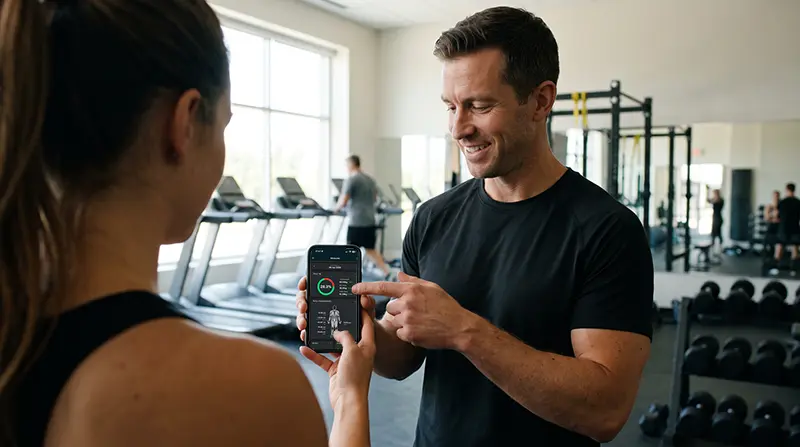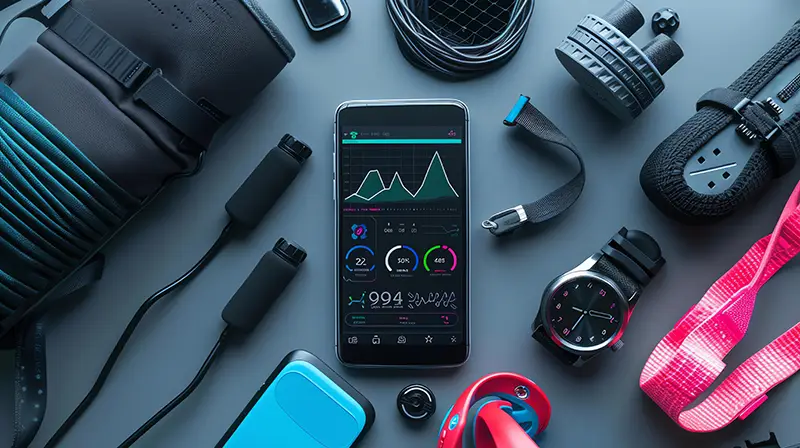
Wearable technology fitness devices have changed how people approach training. Smartwatches, fitness bands, and health apps now track everything from heart rate to sleep quality, giving users more visibility into how their bodies respond to exercise.
Still, collecting data is not the same as knowing what to do with it. Many people look at their numbers every day without understanding what they mean for performance, recovery, or long-term progress. As a result, useful insights often get ignored.
That is where interpretation matters. When you understand your wearable technology fitness data, you can train with more purpose, recover more effectively, and avoid common mistakes like overtraining or inconsistent intensity. In this guide, you will learn how to read the most important metrics and use them in a practical way.
What Wearable Technology Fitness Data Can Tell You
Most wearable devices track several health and performance markers. Each metric gives you a different piece of the picture. On its own, a number may not mean much. However, when you look at patterns over time, your data becomes much more useful.
For example, heart rate can show how hard you are working. Sleep data can reveal whether your body is recovering well. HRV can highlight stress or fatigue before performance drops. Together, these metrics help you make smarter fitness decisions.
Heart Rate Zones and Training Intensity
Heart rate zones are percentages of your maximum heart rate. They indicate the intensity of your exercise. Training in different zones targets different physiological adaptations. Zone 2, for instance, improves endurance. Zone 5 builds speed and power. Knowing your zones helps you train smarter.
Sleep Tracking and Recovery
Sleep is crucial for recovery. Your wearable tracks sleep duration and quality. Poor sleep can hinder muscle repair and hormone balance. It also affects cognitive function. Prioritizing good sleep improves your overall wearable technology fitness journey.
Activity Levels and Calorie Burn
Wearables estimate your daily activity and calorie expenditure. This data helps you manage energy balance. It supports weight management goals. However, these estimates are not always perfectly accurate. They provide a useful guide for consistency.
HRV (Heart Rate Variability) and Stress
Heart Rate Variability (HRV) measures the variation in time between heartbeats. It reflects your nervous system activity. A higher HRV often indicates better recovery and lower stress. A low HRV can signal fatigue or overtraining. Monitoring HRV helps prevent burnout.
Translating Data into Actionable Insights
Collecting data is only the first step. The real challenge is turning numbers into meaningful actions. This requires understanding what your data means for your body. It also involves adjusting your training plan accordingly. A personalized approach yields the best results.
Adjusting Workouts Based on Recovery
If your wearable shows poor sleep or low HRV, consider a lighter workout. Pushing too hard when under-recovered increases injury risk. It also reduces performance gains. Listening to your body, guided by data, is essential for sustainable progress.
Optimizing Training for Specific Goals
Are you training for endurance? Focus on Zone 2 heart rate. Building muscle? Ensure adequate recovery and progressive overload. Your wearable technology fitness data can confirm if you are on track. It helps fine-tune your efforts.
Preventing Overtraining and Burnout
Consistent high-intensity training without enough rest leads to overtraining. Symptoms include fatigue, poor sleep, and decreased performance. Your wearable can alert you to these signs early. This allows for timely adjustments to your schedule.
Common Wearable Metrics and Their Implications
| Metric | What it Measures | Implication for Training |
|---|---|---|
| Heart Rate Zones | Exercise intensity | Guides effort for specific goals (e.g., endurance, strength) |
| Sleep Score | Quality and duration of sleep | Indicates recovery status; suggests rest or lighter training |
| HRV (Heart Rate Variability) | Autonomic nervous system balance | Higher values suggest readiness; lower values indicate stress/fatigue |
| Active Calories | Energy expended during activity | Helps manage energy balance for weight goals |
How PersonalGO Connects You to Wearable Technology Fitness Success
Understanding complex fitness data can be difficult. Many people struggle to interpret their metrics correctly. They also find it hard to apply these insights to their training. This is where expert guidance becomes invaluable.
Find a Personal Trainer Who Interprets Your Data
Your wearable technology fitness device provides raw information. A certified personal trainer translates this into a personalized plan. They assess your data alongside your goals and lifestyle. This ensures your training is effective and safe. PersonalGO connects you with qualified trainers for in-person sessions or online coaching. These trainers can use your data to optimize your program.
Access a Library of Targeted Exercises
The PersonalGO app includes a library of exercises with video demonstrations. Your trainer prescribes specific movements based on your needs. The video library provides clear references for correct technique. This ensures you perform exercises safely and effectively.
Track Your Workouts and See Your Progress
PersonalGO allows you to log every session and track your performance over time. This creates a data record for you and your trainer. It helps your trainer make informed adjustments to your program. You can clearly see how your training is evolving, celebrating every milestone.
If you want to transform your wearable data into real fitness progress, PersonalGO connects you with certified trainers who can guide your journey.
Conclusion
Wearable technology fitness offers powerful tools for understanding your body. However, raw data alone is not enough. Effective interpretation and application are key to achieving your goals. By understanding your metrics, you can make smarter training decisions. This helps prevent overtraining and optimizes your progress.
Remember, a personalized approach, guided by expert knowledge, yields the best results. Leveraging technology with professional insight can truly transform your fitness journey. Embrace your data, but always seek guidance to maximize its potential.
Want help turning your fitness data into a more structured routine? Explore PersonalGO and connect with a certified trainer.
References
1.American College of Sports Medicine. (2025). 2026 ACSM Worldwide Fitness Trends: Future Directions of the Health and Fitness Industry. ACSM’s Health & Fitness Journal.
2.National Academy of Sports Medicine. (n.d.). Top Fitness Trends 2026: What Trainers Need to Know and…. NASM Resource Center.
3.Shukla, S., & Singh, A. (2023). Wearable Technology in Healthcare: A Review. Journal of Medical Systems, 47(1), 1-12.
4.Halson, S. L. (2014). Monitoring training load to prevent overtraining. Sports Science Exchange, 27(129), 1-6.
5.Stanley, J., D’Auria, S., & Buchheit, M. (2020). Monitoring Training Status With HRV: A Review of Practical Applications. Sports Medicine, 50(1), 1-18.
6.Chaput, J. P., Dutil, C., & Sampasa-Kanyinga, H. (2018). Sleeping hours and health in adults: A review of current evidence. Sleep Medicine, 52, 169-176.
7.Boutcher, S. H. (2011). High-intensity intermittent exercise and fat loss. Journal of Obesity, 2011, 868305.
8.Strasser, B., & Pesta, D. (2013). Resistance training for obesity and type 2 diabetes mellitus: an update. Obesity Reviews, 14(2), 147-159.