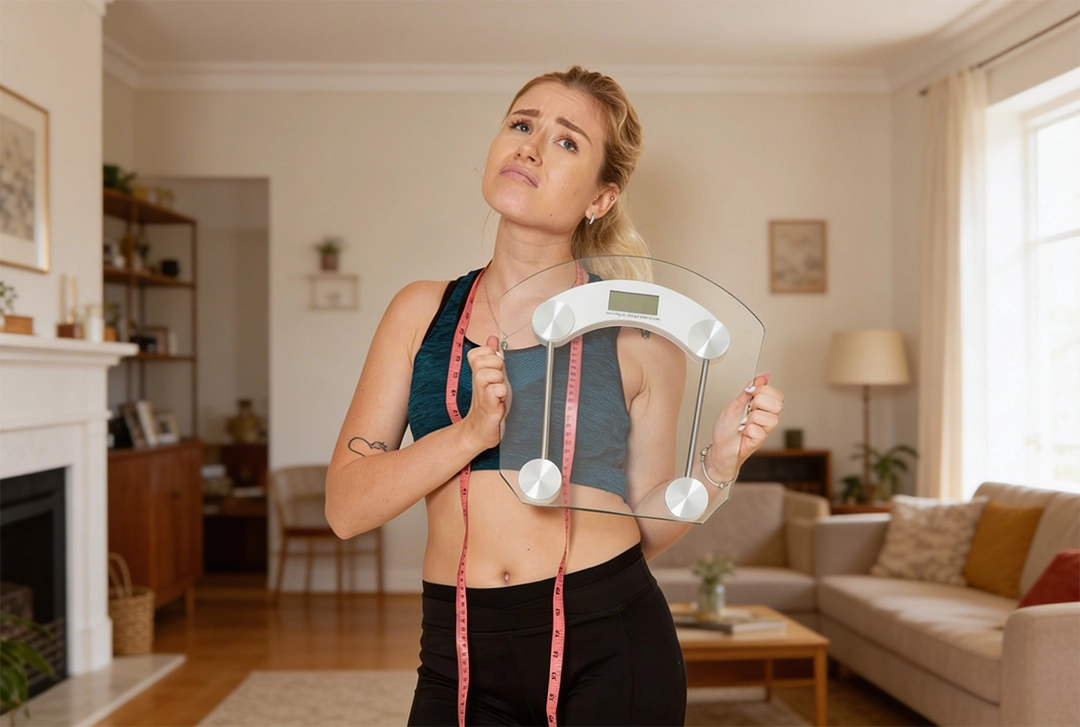
You signed up for the gym with the best intentions. You were ready to start your beginner strength training journey. But now you find yourself stuck on the treadmill, casting nervous glances at the weights section.
That feeling of being lost, watched, and judged, often called “gymtimidation“, is a real and common experience. Research shows that about 50% of Americans feel too intimidated to develop a workout routine around other people. You are not alone.
This article isn’t going to teach you how to lift. It’s going to give you a strategic action plan to conquer the emotional barrier that’s holding you back. The problem isn’t a lack of knowledge about exercises; it’s the lack of a clear, confident plan.
Why the Fear of the Free Weights Area is a Universal Feeling
The free weights area can feel like an exclusive club with unwritten rules. It’s often crowded, and it seems like everyone knows exactly what they’re doing. This environment can trigger a fear of judgment and a feeling of not belonging. Research suggests that 2 in 5 adults have avoided going to the gym because they’re self-conscious about how they look.
The truth is, most people are too focused on their own workout to pay attention to you. That feeling of being watched is often a cognitive distortion, not a reality.
In fact, a UK study found that 8 in 10 Brits admit to experiencing gym-timidation, and almost a third have cancelled their gym membership altogether because they found the traditional gym setup so intimidating.
The Secret Weapon Against Gym Anxiety: Always Have a Plan
The single most effective way to combat gym anxiety is to walk in with a plan. When you know exactly which exercises you’re going to do, in what order, and for how many sets and reps, there’s no room for uncertainty. A plan transforms a chaotic, intimidating space into a simple to-do list. It gives you purpose and direction, which are the antidotes to anxiety.
5 Actionable Steps to Build Unshakeable Gym Confidence
Confidence isn’t built overnight. It’s the result of taking small, manageable steps. Here’s how you can start building yours:
| Step | Action | Why It Works |
|---|---|---|
| 1. Scout During Off-Peak Hours | Visit the gym mid-afternoon to explore | Reduces overwhelm by familiarizing yourself with the layout in a quiet environment |
| 2. Plan Before You Arrive | Write down 3-4 exercises with sets/reps | Eliminates decision-making anxiety and provides clear direction |
| 3. Create Your Bubble | Use headphones with empowering music | Signals focus to others and helps you tune out distractions |
| 4. Start with Machines | Begin with guided equipment before free weights | Builds confidence with controlled movements and clear instructions |
| 5. Track Your Progress | Log every workout in an app | Provides tangible proof of improvement and motivation to continue |
Step 1: Go During Off-Peak Hours to Explore
Your first few visits shouldn’t be about working out. They should be about reconnaissance. Go to the gym during its quietest hours (usually mid-afternoon) and just walk around. Get familiar with the layout. Find the dumbbells, the benches, and the machines you’ll be using. This simple act of familiarization can dramatically reduce feelings of overwhelm.
Step 2: Have Your Workout Planned Before You Arrive
Never walk into the gym without a plan. Your plan for your first beginner strength training session should be simple. Choose 3-4 basic exercises and write them down. Know your target sets and reps. This is your mission for the day.
Step 3: Put on Headphones and Create Your Bubble
Headphones are a powerful social signal. They say, “I’m focused and in my own world.” Create a playlist that makes you feel powerful and confident. This creates a personal bubble that can help you tune out distractions and reduce the feeling of being watched.
How a Workout App Removes the Guesswork from Beginner Strength Training
This is where technology becomes your secret weapon. Instead of a crumpled piece of paper, your plan can live on your phone. A workout app like PersonalGO can guide you through your entire session. It tells you which exercise is next, tracks your rest times, and records your progress. It turns the intimidating gym environment into a manageable, step-by-step process.
Imagine walking into the gym knowing exactly what to do. That’s what having a plan in the PersonalGO app feels like.
“But What If I Do It Wrong?” A Guide to Using Your Phone for Form Checks
Fear of improper form is a major source of gym anxiety. But you have a video camera in your pocket. Use it.
The PersonalGO app includes a video library with demonstrations for thousands of exercises. You can watch the video right before you perform the exercise to refresh your memory. This is a discreet and effective way to ensure you’re moving safely and effectively.
Beat gym anxiety for good. Download PersonalGO, choose a beginner program, and walk into your next session with a clear, step-by-step plan.
Disclaimer: This content is for informational purposes. If you have severe anxiety, please consult a mental health professional. Always talk to a doctor before starting a new exercise routine.
References
[1] Health & Fitness Association. (2019 ). Fitness Industry Roundup: ‘Gym-timidation’ Is Real.
[2] Nuffield Health. (2024 ). All you need to know about gym anxiety.
[3] Samsung News. (2021 ). 8 in 10 Brits Admit to ‘Gym-timidation’ Post-Lockdown.
[4] Cleveland Clinic. (2023 ). Gymtimidation: How To Push Through Gym Anxiety.
[5] ACE Fitness. (2023 ). Gymtimidation: What It Is & How to Overcome It.