

In the last few years, the interest in home workouts has exploded. And no, it wasn’t just because of the pandemic (though that definitely sped things up). The truth is that training at home was already a growing global trend, fueled by the need for convenience, time efficiency, and new ways to stay healthy without relying solely on gyms.
But here’s the big question: do home workouts really work? Can they actually replace the gym? And how do you make the most of them without falling into the trap of short, unstructured sessions that don’t lead to real progress? Let’s break it all down – backed by science, practical experience, and tips you can start using today.
Why Home Workouts Really Work
The first doubt people usually have is: “Okay, but does training at home actually work?” The short answer: yes. The longer answer: absolutely, and here’s why.
That’s where home workouts shine. No commuting, no waiting for equipment, no excuses. With flexibility to train on your own schedule, consistency skyrockets, and consistency, as shown in a Sports Medicine (2021) review, is the number one predictor of long-term results.
More Than Physical: The Mental Health Boost of Home Workouts
When we talk about exercise, many people think only of aesthetics or weight loss. But the benefits go way beyond that.
And with home workouts, the mental health benefits get even bigger. Why? Because you create a safe and flexible environment. No judgmental looks, no comparisons. For beginners or people who feel uncomfortable in crowded gyms, this makes all the difference.
Plus, training at home allows you to build personal rituals of self-care: moving to your favorite playlist, stretching during work breaks, or even exercising with family. What starts as “just a workout” quickly becomes part of your lifestyle and well-being routine. Fun, right? And best of all: it works.
Variety and Creativity: The Secret to Sticking With It
One common mistake is assuming home workouts mean endless sit-ups on the carpet or jumping jacks until you drop. Reality check: the possibilities are huge.
- HIIT (High-Intensity Interval Training): proven to burn fat and improve cardiovascular health in less time.
- Yoga and Pilates: build strength, reduce stress, and boost flexibility.
- Functional training: simulates everyday movements, improving coordination, balance, and total-body strength.
- Mobility and stretching: vital for preventing injuries and improving posture, especially if you spend long hours sitting.
- And here’s the fun part: your house becomes your gym. Water bottles as weights? Perfect. A sturdy chair for tricep dips? Done. Stairs for cardio? Absolutely. The secret isn’t the space, it’s the creativity.
- The Challenge: Staying Consistent With Home Workouts
- Here’s the catch: flexibility is both a blessing and a curse. With no fixed schedule or external accountability, it’s easy to think “I’ll do it later”… and before you know it, later turns into never.
- But don’t worry: science has your back here too.
Track your progress. Logging reps, sets, and improvements gives you a tangible sense of achievement. That little dopamine hit when you see progress? It’s real, and it keeps you going.
Pro Tip: Gamify Your Training
Want to make home workouts more fun and addictive (in a good way)? Turn them into a game.
Set mini challenges, like adding 10% more squats each week or holding your plank a few seconds longer. Each win feels like “unlocking the next level” in your own personal game.
And the science behind it is fascinating: completing these challenges triggers the release of dopamine (the reward hormone), endorphins (which boost your mood and reduce pain), and serotonin (linked to motivation and well-being). In short, every time you hit a small goal, your brain rewards you – and that makes you want to keep pushing.
Just like in video games, you’ll feel stronger, more skilled, and ready for the next level. And the coolest part? The competition is only with yourself, and you’ll be amazed at how far you can go.

Go All In, but Train Smart: Avoiding Injuries in Home Workouts
Home workouts are awesome, but they require attention to technique. Without someone physically correcting you, it’s easy to make mistakes. Here are some tips to stay safe:
- Quality over quantity: Ten perfect squats beat thirty sloppy ones every time.
- Start slow and progress gradually: Build strength and endurance step by step: your muscles, joints, and ligaments will thank you.
- Posture is everything: Especially in impact exercises like burpees or jumps. Keep your knees aligned, core engaged, and back straight.
- Learn from trusted sources: Follow demonstration videos – don’t just wing it.
- Use technology as your coach: Today’s apps and platforms offer video tutorials, detailed instructions, and even remote trainer feedback. It’s like having a personal coach right in your living room.
The Role of Technology in Home Workout Evolution
Remember the old fitness DVDs or those workout charts taped to your bedroom wall? (Shoutout to the 35+ crowd 😅). Well, those days are long gone.
Now we have full-featured fitness apps with massive exercise libraries, personalized training programs, and even artificial intelligence to track your progress.
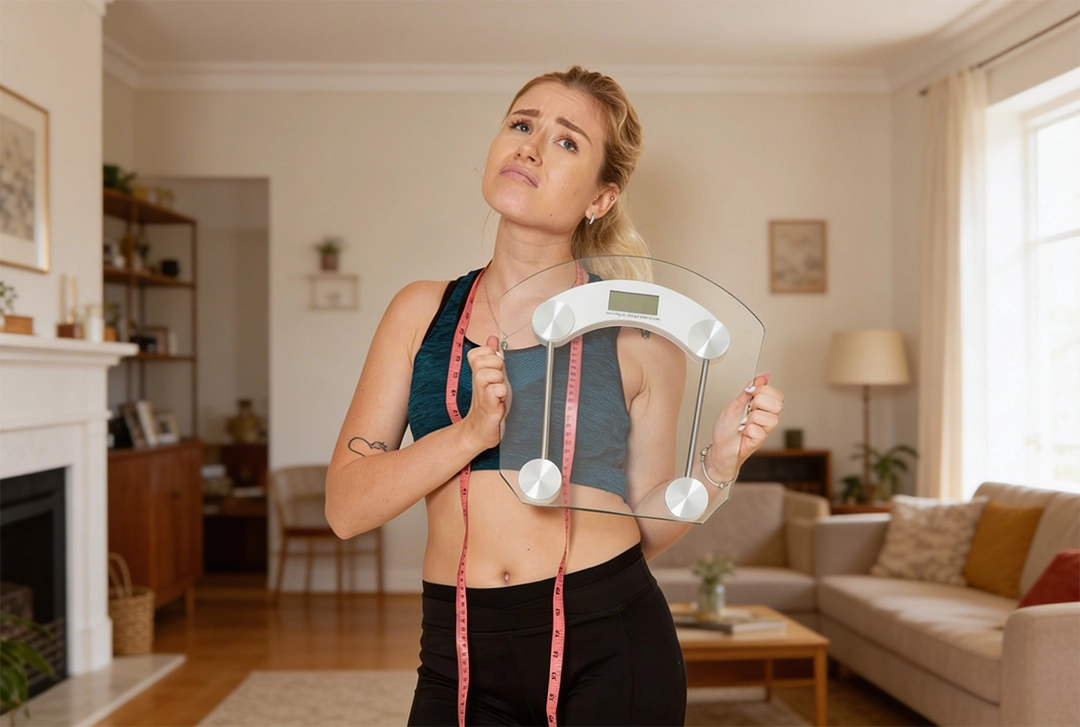
Take the AI body scan, for example. With just two photos from your phone, it can measure your body composition with impressive precision. No fancy machines, no inconsistent bioimpedance scales. This tech uses gold-standard validation (DEXA) to provide accurate insights into real changes in your body.
Imagine tracking your body fat, muscle mass, BMI, basal metabolic rate, and even cardiovascular risk every month. It’s like having a monthly “X-ray” of your progress – motivation on another level.
And the best part? All you need is your smartphone. No expensive equipment, no gym commute, no hassle. Just snap, scan, and see your results in seconds. Pretty amazing, right?
Home Workouts as a Lifestyle
Home workouts aren’t a quick fix or a temporary alternative, they’re a smart, sustainable lifestyle choice for anyone looking to improve health, save time, and stay consistent. Science has proven their effectiveness, both for physical conditioning and mental health. The real secret? Constancy, creativity, and the right support tools.
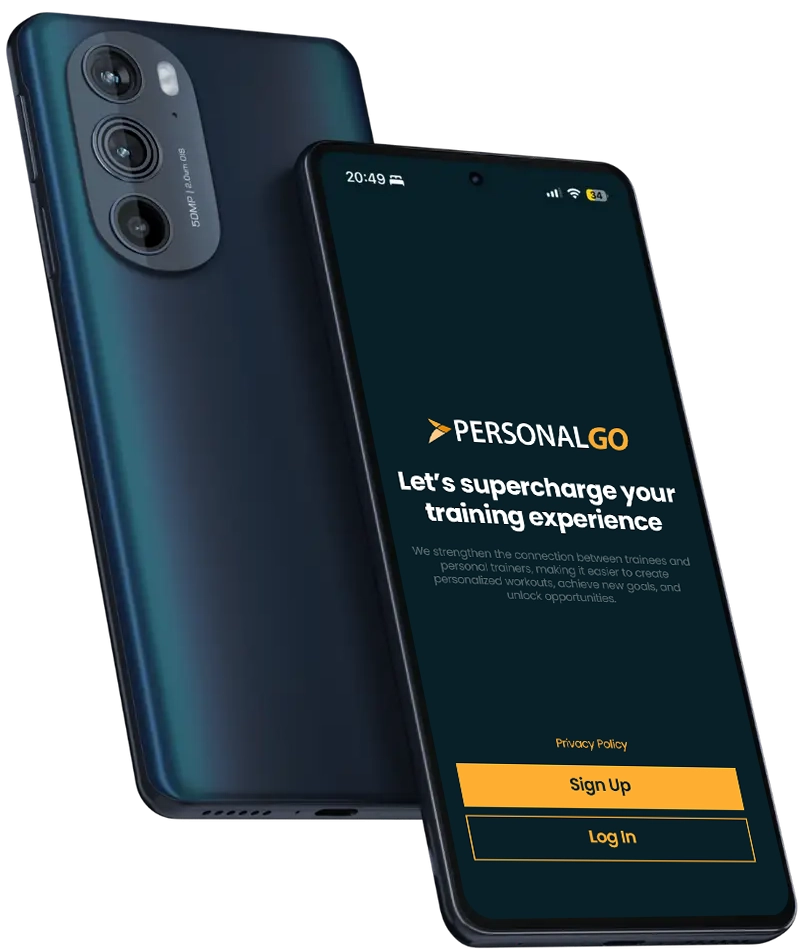
And that’s where PersonalGO becomes your ultimate training partner. Think of it as your high-tech personal trainer in your pocket:
- Over 3,800 video exercises
- Certified trainers worldwide ready to create personalized plans
- AI body scan to track your progress with accuracy and strategy
Training at home can be just as transformative as hitting the gym – and often even more, because it removes barriers, saves time, and gives you full autonomy.
The first step? Start with what you have, when you can.
The second step? Let PersonalGO simplify the journey so you can focus on what really matters: feeling stronger, healthier, and proud of every milestone.
Download the PersonalGO App for free and start your transformation today. No more putting your health and self-care off for “tomorrow.” Now you have the perfect partner in your fitness journey!



One Response